NATURAL SOAPS LONDON
Soap is made in the process called saponification, it sounds ominous, but it’s not as bad as it sounds. It is a chemical reaction of fatty acids with hydroxides of elements from 1st and 2nd group of periodic table. The most common hydroxide used to make soap is sodium hydroxide. When it is used we make hard soaps, and that the one which we will focus on now. While making soaps, glycerin is also created, and it is known for its wonderful moisturizing properties, it remains in natural soaps, and they are helping to keep moisture in skin, while soaps which you can find in stores had glycerin removed while soaps are made and used to make other cosmetic products.
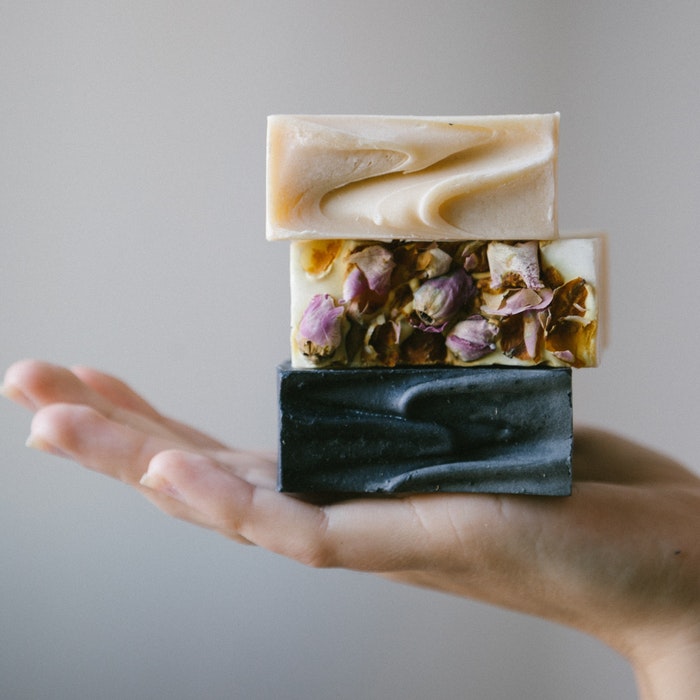
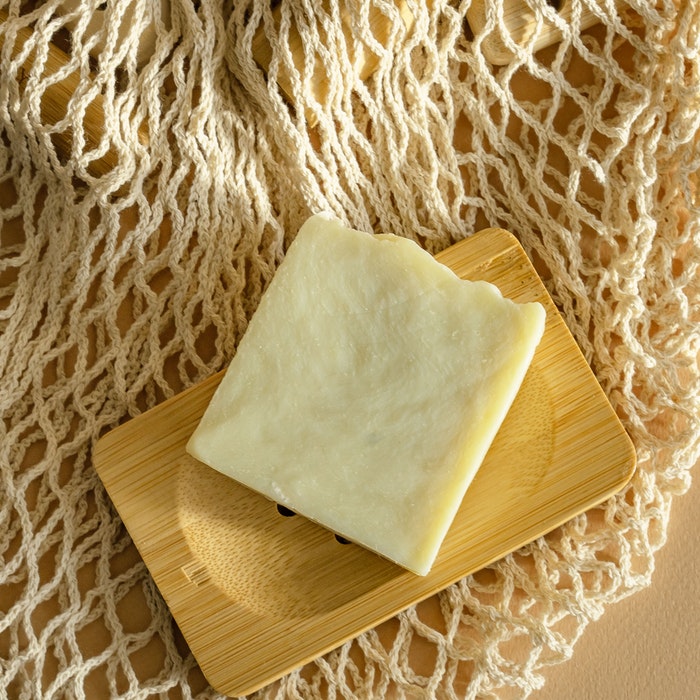
To make our soaps we use the cold method. It is an excellent one to achieve the most rich soaps, which are the best to use. All precious ingredients, and most of all, wonderful oil- which contain a lot of vitamins and antioxidants, are not getting damaged or weakened. it does happen when soap is made in a hot process. Natural soap is a miracle, but you will have to wait for it, several weeks.. because.. After combining all ingredients together, aging process begins. This is when the whole saponification takes place so all alkali are bound to the fats, and the excess of water evaporates. While the soap is maturing the original high-alkaline pH is sufficiently reduced, and our soap gets its desired properties. The minimum time for soap to rest is 10-12 weeks. We stick to at least 12 weeks always checking pH after resting, to make sure soaps are ready. An environment when the soap is maturing determine the speed of the saponification process. Most soaps are like wine, the older the better ..
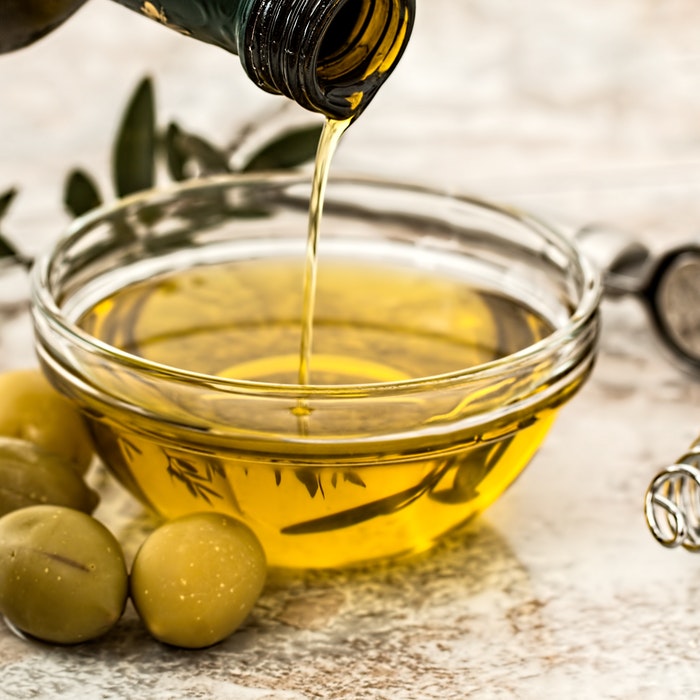
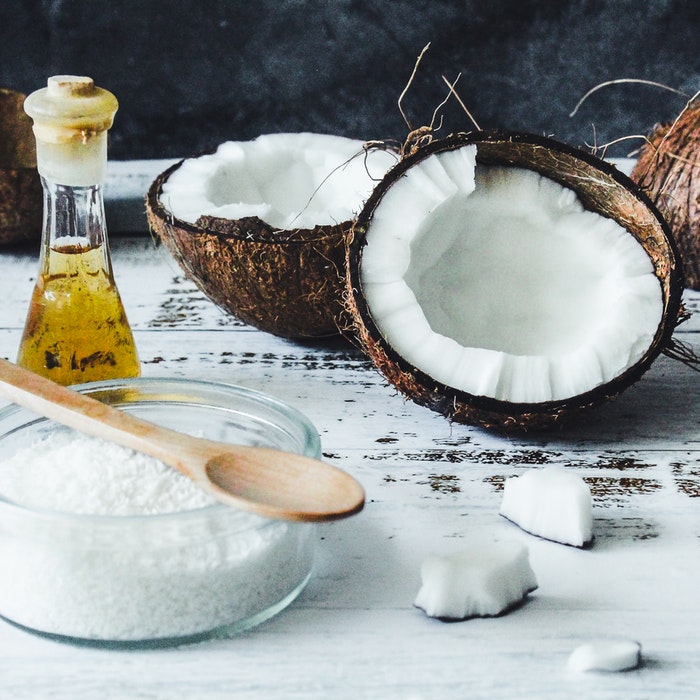
First soaps were made.. of course by accident. Legends say that when people were sacrificing animals by burning them for their gods (not very VEGAN..), the fat ran down to the rivers along with the ashes, which made the water perfect for washing. The process of making soap is dated back to approximately 2500 years BC, when fats were boiled and mixed with lye, which was obtained from ashes. The consistency of first soaps was multiple times very greasy and jelly-like. Sometimes it staining rather than washing. Let’s not mention the way they smelt.. Of course, the process was consistently improved and finally the proportions were established, soap could be used for washing and bad odor was eliminated by adding fragrance oils.

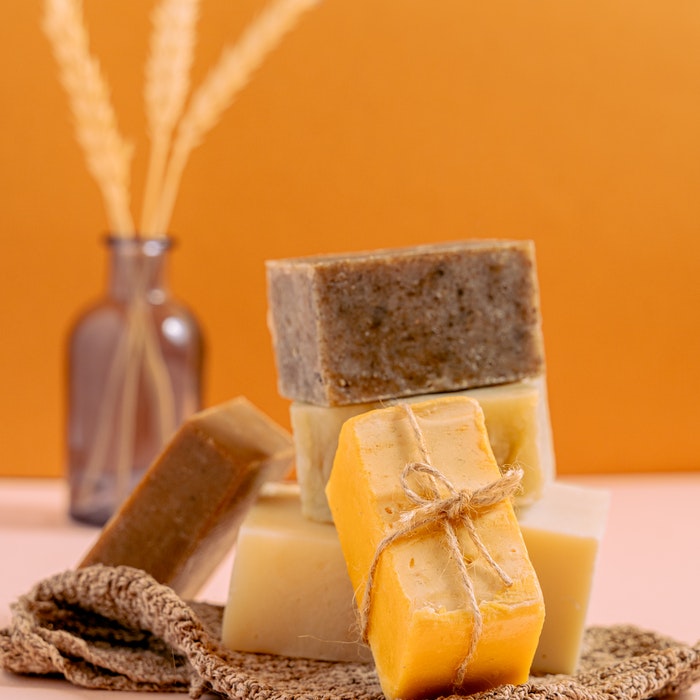
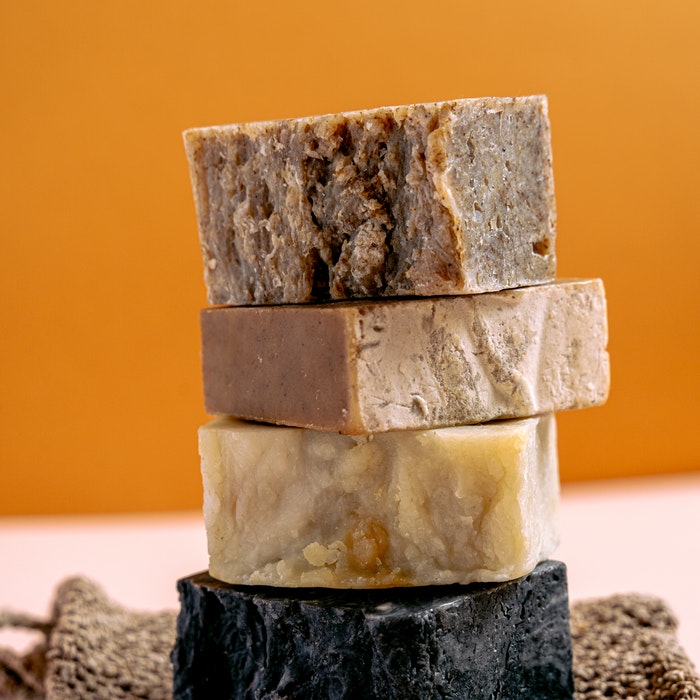
For us natural soaps are these with simple formulas, and with no added colorings and fragrances-which are most likely to cause irritation or even trigger allergies. Most of the ingredients for our soaps can be found in each kitchen..We believe if you can eat something it shall be safe and has no right to harm you when added to the soap(let’s ignore hydroxides, they are not present in every kitchen, but soap cannot be made without them) .. Visit the store and insta!